
One of our new modules in the second semester was Functional Anatomy and Physiology. Functional Anatomy and Physiology was similar to mammalian anatomy and physiology in that is was to do with the animals body and how it worked, however Functional Anatomy was more focused on the function on different muscles as well as how they worked together to produce movement.
In order to finish this module we needed to take an exam as well as complete a work-book which was worth 50% of our overall grade. Our work-book was completed in three sections, there was the Formative Section, Theory Section and Practice Section. They include information such as the origin, insertion, function and nerve innovation of the equine and canine musculature. This work-book was very beneficial as it allowed us to receive formative feedback on each section and therefore improve or techniques and motivation for each section and future tasks (Irons, A., 2008). The feedback I received helped me improve towards the next section in the work-book, in addition to other assignments that I was working on at a similar time such as our introduction to veterinary physiotherapist conformation report.

The final practical task of the work-book was the most interesting as it focused on the muscles of the dog and horse, in which we were able to us photos that we had taken from our practical dissection. By combining the textbook knowledge with the dissection pictures it helped developed my understanding of what was going on underneath the skin of the animal a lot more clearly, this is essential for becoming an effective and successful veterinary physiotherapist (Budras., 2012) (Budras., 2007).
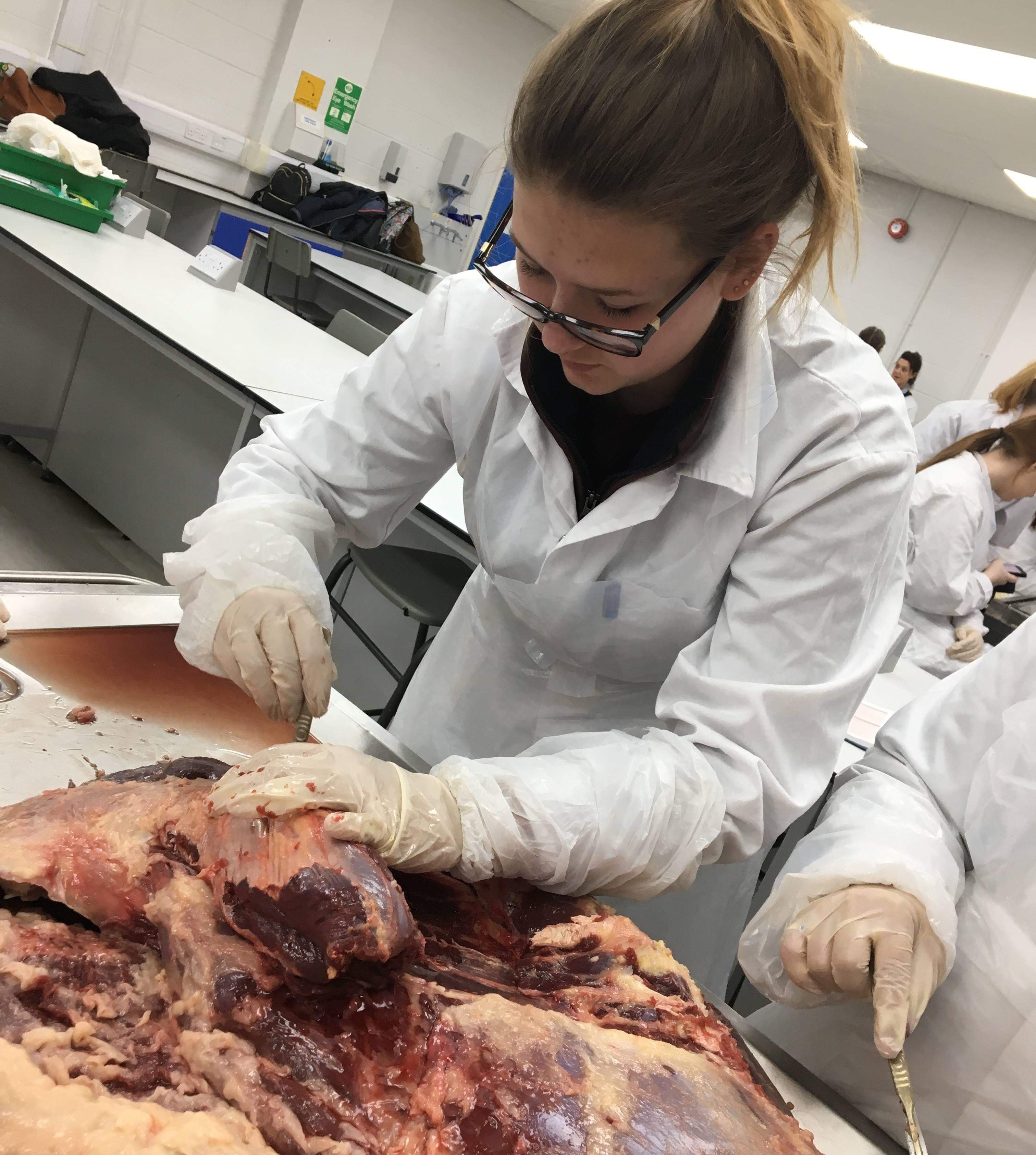
This assessment will benefit me in the future as I can use it as a reference for further practical lectures in relation to origins and insertions of muscles as well as using it for revision in years to come here at Writtle University College. The feedback that I have been given will also allow me to constantly improve on my written skills as well as benefit my practical skills such as palpation.
References
Irons, A., (2008), Enhancing Learning Through Formative Assessment and Feedback. Canada: Routledge,
Budras, K.D.,(2012). Anatomy of the Horse. 6th ed. Schluetersche.
Budras, K.D.,(2007). Anatomy of the Dog. 5th ed. Schluetersche.
 asvetphysiotherapy.home.blog